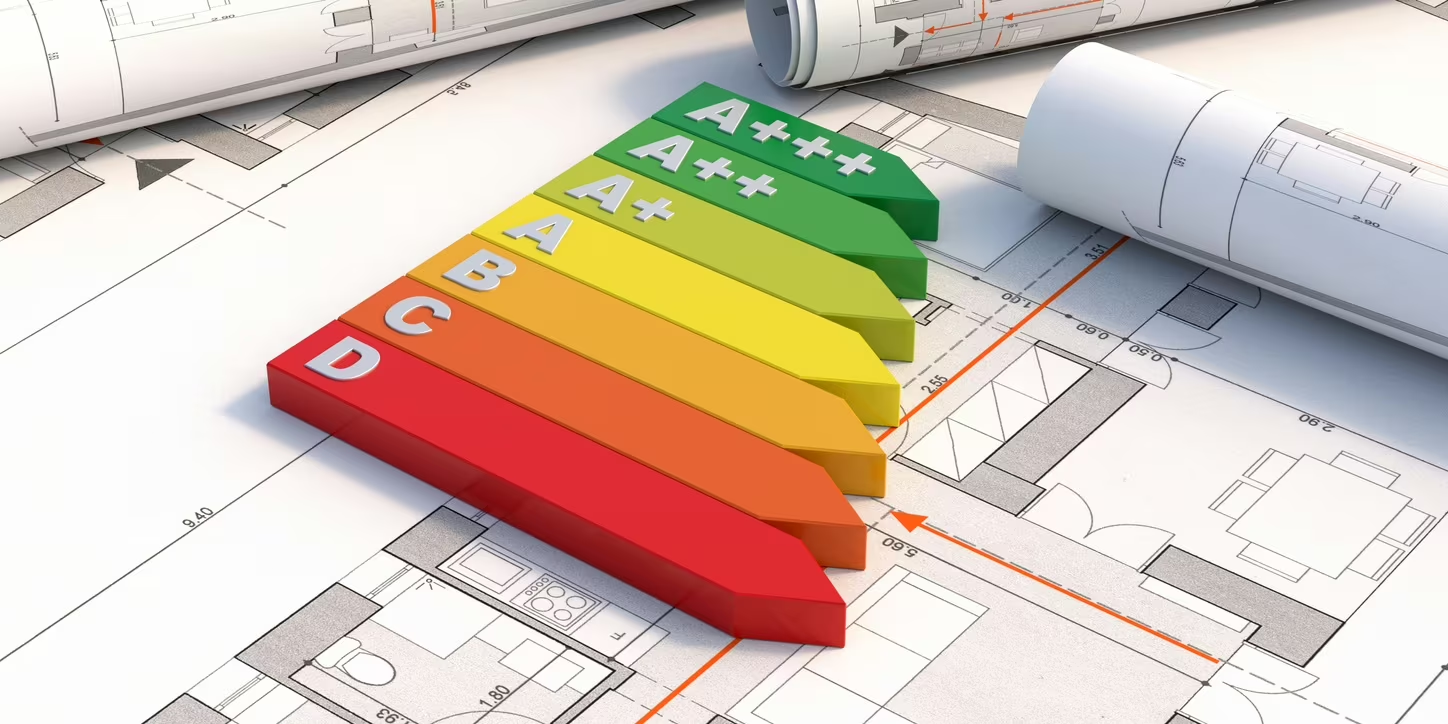
With sustainability remaining high on both the political and commercial agenda, attention is turning once again to the future of energy efficiency standards for commercial properties. For landlords and tenants alike, recent developments offer greater certainty as to the direction of reform in the non-domestic private rented sector.
Following consultations on strengthening the Minimum Energy Efficiency Standards (MEES) framework in England and Wales, the UK government has published an interim response confirming a more targeted approach for larger commercial buildings.
Under the proposed approach, privately rented non-domestic buildings over 1,000 square metres will be expected to achieve an Energy Performance Certificate (EPC) rating of B or above by 2031, where viable and cost-effective. Smaller buildings below that area threshold are expected to remain subject to the existing minimum standard of EPC E, with no immediate requirement to improve beyond that level.
A shift towards a more targeted policy
The announcement marks a move away from the earlier ambition to apply an EPC B requirement across the whole non-domestic rented stock by around 2030. Instead, the government is focusing first on larger premises, where it considers the greatest energy and cost savings can be achieved.
The government has indicated that larger buildings account for a significant share of energy consumption within the sector. Its modelling suggests that improvements to larger rented premises could deliver up to £360 million in annual energy bill savings for tenants by 2031.
For smaller premises, including many high street units and SME-occupied properties, the current position is expected to remain more flexible. These buildings will continue to be subject to the existing EPC E standard for now, allowing landlords more time to consider future upgrades and investment planning.
Key points from the interim response
- From 2031, the Government intends to require privately rented non-domestic buildings over 1,000 square metres to achieve an EPC rating of B or above, where this is cost-effective.
- Buildings below 1,000 square metres are expected to remain subject to the current minimum standard of EPC E.
- The previously proposed interim requirement for affected buildings to achieve EPC C by 2027 will not be taken forward.
- Existing safeguards, including the seven-year payback test and exemptions regime, are expected to remain in place so that only practical and cost-effective improvements are required.
- The proposed EPC B requirement for larger buildings will not take effect unless the necessary secondary legislation has been introduced and brought into force.
What this means for commercial property owners and occupiers
Although the timetable now appears less demanding for smaller properties, the broader trend towards tighter energy efficiency requirements remains clear: energy efficiency will continue to play an important role in the commercial property market. Landlords of larger buildings should start reviewing their portfolios, EPC ratings, lease arrangements and potential upgrade costs well ahead of 2031. Tenants may also wish to consider how energy performance could affect occupation costs, lease negotiations and long-term premises strategy.
Further detail is still expected, including the full Government response and the secondary legislation needed to implement the changes. For now, this interim response provides a useful signal for the market and an opportunity for owners and occupiers to plan ahead.
If you would like discuss how these changes may affect your property interests, please contact Stacey Gillard (Solicitor). You can reach Stacey by email at stacey.gillard@murrellslaw.com.